The world of gambling has transcended borders, giving rise to international casinos international casino sites that attract players from every corner of the globe. These casinos are not merely places to gamble; they are complex ecosystems that reflect the culture, laws, and economic conditions of their respective countries. In this article, we’ll explore the allure of international casinos, their unique characteristics, and how they shape the gambling landscape worldwide.

The Global Landscape of International Casinos
International casinos are diverse and multifaceted institutions. They can range from luxurious resorts in Las Vegas and Macau to intimate riverboat casinos in Europe. The appeal of these venues is not just about the thrill of gaming; it also includes the atmosphere, entertainment options, and amenities they offer. Each international casino has its own identity, heavily influenced by the culture in which it operates.
Historical Context
The concept of casinos dates back centuries, originating in Italy during the 16th century. The modern casino as we know it gained popularity in the 19th century, particularly in France, where the first official gambling house opened in Paris. As gambling laws evolved, many countries began to embrace casinos as a means to boost tourism and generate revenue. Today, international casinos play a crucial role in the economies of many nations, from the lavish gaming halls of Monte Carlo to the vibrant scenes in Las Vegas and beyond.
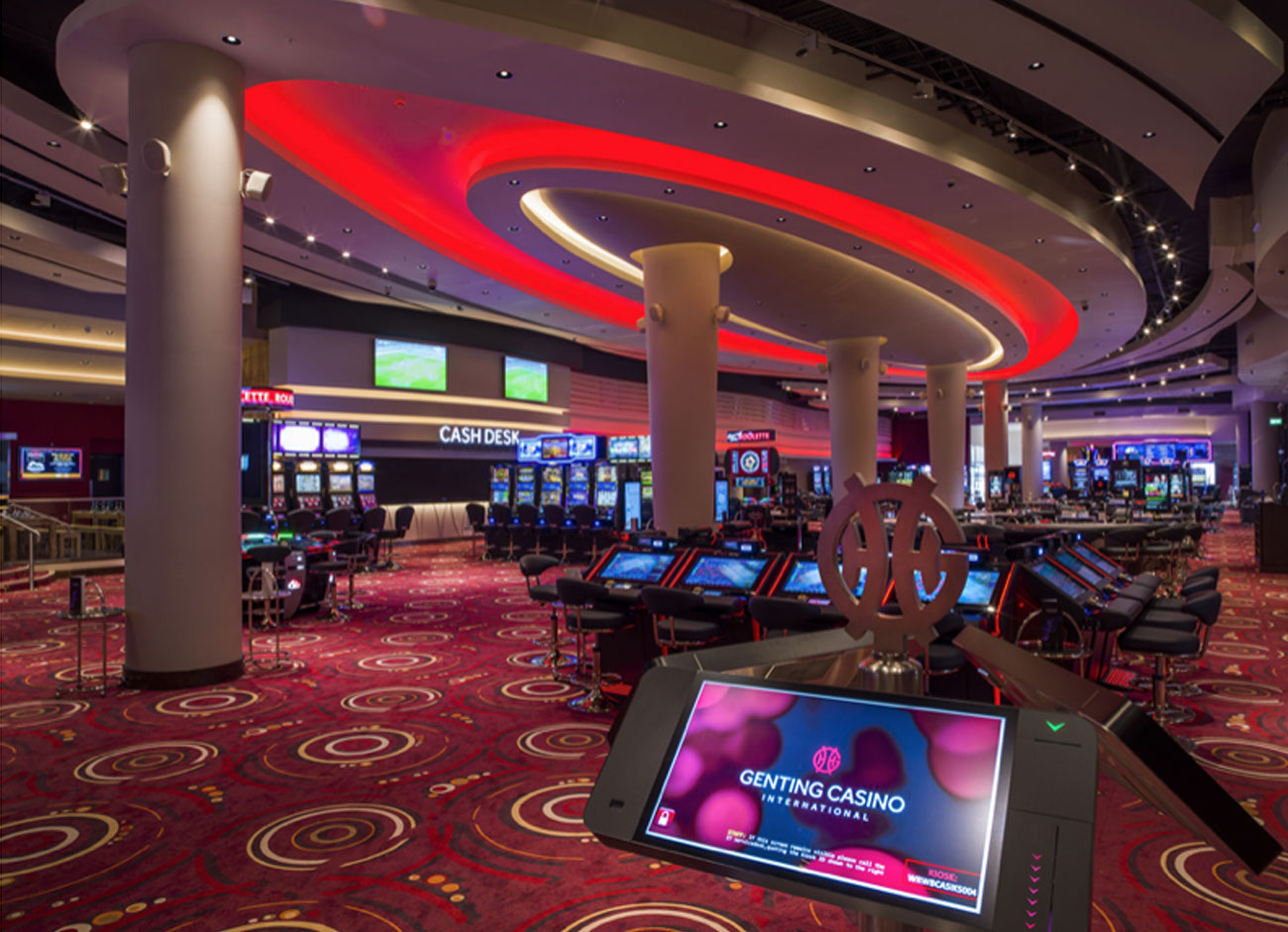

The Most Popular International Casino Destinations
When we think about international casinos, several destinations immediately come to mind. These locations not only offer some of the best gaming experiences but also attract millions of tourists each year. The most renowned international casino destinations include:
- Las Vegas, Nevada, USA: Often referred to as the gambling capital of the world, Las Vegas is home to iconic casinos like the Bellagio, Caesars Palace, and The Venetian. The city’s entertainment options extend beyond gaming, with world-class dining, shows, and nightlife.
- Macau, China: Known as the “Gambling capital of the world,” Macau has surpassed Las Vegas in terms of total gaming revenue. With extravagant resorts like The Venetian Macao and Wynn Macau, it offers a unique blend of Chinese culture and Western luxury.
- Monte Carlo, Monaco: Famous for its high-stakes gambling and luxury casinos, Monte Carlo exudes opulence. The Casino de Monte-Carlo is an architectural marvel that attracts high-rollers from around the globe.
- Singapore: With two of the world’s most advanced integrated resorts, Marina Bay Sands and Resorts World Sentosa, Singapore has quickly become a significant player in the international casino scene.
- Atlantic City, New Jersey, USA: Though it faced challenges in recent years, Atlantic City remains a historical gambling hub with famous casinos like the Borgata and Tropicana.
Legal Landscape
The legality of casinos varies greatly around the world. In some countries, gambling is heavily regulated, while in others it’s outright banned. Places like Las Vegas and Macau have embraced gambling as a significant contributor to their economies, leading to liberalized laws that foster an environment of growth and competition. Conversely, countries that prohibit gambling often see underground alternatives, which can pose risks for players.
Additionally, many countries have tax policies that affect the operations of casinos. These regulations can influence the types of games offered, payout percentages, and the advertising of gaming services. Understanding the legal landscape is crucial for both operators and players; it helps navigate the often-complex international laws surrounding gambling.
Cultural Influences and Trends
The culture of gambling varies significantly across different countries. In the U.S., casinos often focus on entertainment and social experiences, while in Europe, the approach can be more traditional, with an emphasis on classic games like poker and roulette. In Asia, particularly in countries like Japan and South Korea, gaming is experiencing a surge, with unique games and gaming styles emerging that reflect local traditions.
Online gambling has also had a profound impact on international casinos, especially in the wake of the COVID-19 pandemic. Many casinos have embraced technology by offering online platforms that allow players to enjoy their favorite games from the comfort of their homes. This trend is likely to continue, as the integration of virtual reality and augmented reality into gaming experiences is on the rise, promising to reshape the future of international casinos.
Environmental Impact and Sustainability
As the casino industry continues to grow, so does awareness regarding its environmental impact. Large casino resorts often consume vast amounts of resources, prompting discussions about sustainability in the gaming industry. Many international casinos are now making strides toward eco-friendly practices, from energy-efficient buildings to sustainable sourcing of food and materials. This shift is not only beneficial for the environment but can also enhance a casino’s appeal to socially conscious consumers.
Conclusion
The allure of international casinos goes far beyond the thrill of winning; it lies in the unique experiences they offer and the cultural exchanges they foster. As they continue to evolve with changing regulations, technological advancements, and cultural shifts, international casinos will undoubtedly remain a significant attraction for millions of visitors worldwide. Whether you are a seasoned gambler or a curious traveler, the world of international casinos has something to offer everyone.