
Empowering Communities: The Impact of Community Programs
In an increasingly globalized world, the importance of local community initiatives cannot be overstated. Community programs serve as vital instruments for social cohesion and development, creating networks of support that empower individuals and groups alike. Notably, community programs vanuatu community initiatives exemplify the transformative impact of focused community-driven projects. These programs address various societal needs, from education to health care, and can significantly enhance the quality of life for residents.
The Role of Community Programs in Social Cohesion
Community programs function as a platform for fostering social interaction and collaboration among residents. By bringing people together, these initiatives create spaces for dialogue and understanding, which are essential for resolving conflicts and promoting harmony. In many cases, community programs can also help bridge divides between different demographic groups, such as ethnic, economic, or age-related divisions. When individuals feel connected to their community, they are more likely to contribute positively to the social fabric, leading to improved overall well-being.
Enhancing Quality of Life through Community Involvement
Numerous studies have shown that active community engagement is linked to higher levels of personal satisfaction and happiness. Community programs often focus on various aspects of life improvement, such as health, education, and environmental sustainability. For instance, local health initiatives may provide accessible medical services or mental health support aimed at preventing illness and promoting overall wellness. Educational programs can facilitate skills training, literacy classes, and mentorship opportunities that empower individuals to seek higher levels of achievement.
Health and Wellness Initiatives
Health and wellness programs are a cornerstone of many community initiatives. These programs can address both physical and mental health needs, providing comprehensive solutions to often overlooked issues. For example, community health clinics can offer preventative care and health education, while support groups can provide mental health resources and foster a sense of belonging among participants. By prioritizing health and wellness, communities can effectively reduce healthcare costs and enhance residents’ quality of life.
Educational Opportunities
Educational programs within communities play a crucial role in fostering lifelong learning and personal development. Community colleges, vocational training centers, and tutoring programs are all examples of how education can be tailored to meet local needs. These initiatives can help residents gain new skills, advance their careers, and improve their economic prospects. Furthermore, educational outreach for children, such as after-school programs and literacy initiatives, can enhance academic performance and create brighter futures for the youth in the community.
Driving Sustainable Development
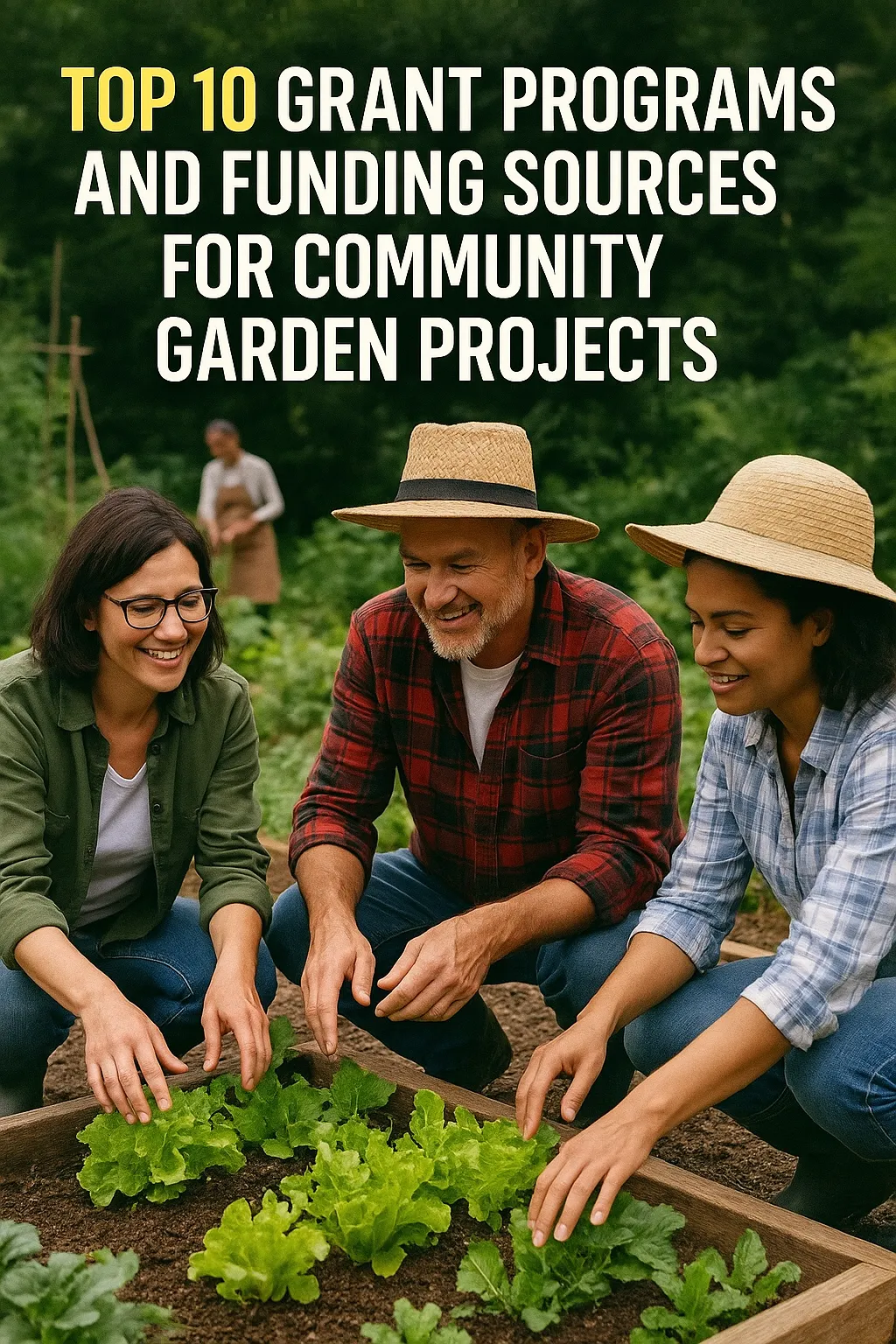
Community programs are also instrumental in driving sustainable development efforts. Environmental initiatives, such as community gardens, recycling programs, and clean-up campaigns, not only beautify neighborhoods but also promote ecological awareness. These efforts can foster a sense of shared responsibility and stewardship for the local environment. Engaging residents in sustainability initiatives empowers them to take action, manage resources responsibly, and advocate for policies that protect their surroundings.
Building Economic Resilience
Economic development is another significant focus of community programs. Many initiatives aim to stimulate local economies through small business support, job training programs, and microfinance opportunities. By creating pathways for entrepreneurship and self-sufficiency, communities can decrease unemployment rates and improve the overall economic stability of residents. Furthermore, local economic development fosters a sense of pride and ownership among community members, which can strengthen their connection to their environment and peers.
Collaboration and Partnership
Success in community programming often hinges on collaboration among local stakeholders, including government entities, non-profits, and residents. When diverse groups come together to address shared challenges, the outcomes can be far more effective than isolated efforts. Building partnerships enhances the resource base available for community programs and allows for a collective approach to problem-solving, ensuring that various perspectives are considered in the planning and implementation stages.
Conclusion
In conclusion, community programs are essential vehicles for empowering individuals and fostering social unity within communities. By addressing vital needs related to health, education, and sustainability, these initiatives elevate the quality of life for residents while driving economic growth and resilience. The impact of community programs is profound, as they nurture the connection between individuals and their surroundings, encouraging a collective commitment to building a brighter future. As communities continue to evolve, the importance of investing in local programs cannot be understated; they are the bedrock of a cohesive, thriving society.